 Liquid error (sections/image-banner line 171): invalid url input
If you are experiencing frustrating burn marks, jagged edges, or lenses that seem to get dirty after just a few minutes of work, you might be tempted to blame your laser’s power. However, the culprit is often something much more basic: your laser air assist pump.
Choosing the right air assist pump for laser systems is the "secret sauce" used by professional makers to achieve that crisp, clean finish. Whether you are a hobbyist or a business owner, understanding airflow is the fastest way to level up your production quality.
Key Takeaway
- Protection First: Air assist is vital for keeping your expensive laser lens clean and functional.
- Quality Control: Proper airflow prevents charring on wood and melting on acrylic.
- Right-Sizing: More air isn't always better; engraving requires low flow, while thick cutting needs high volume.
- Safety: Continuous airflow suppresses flare-ups and reduces fire risks during operation.
1. What Is a Laser Air Assist Pump?
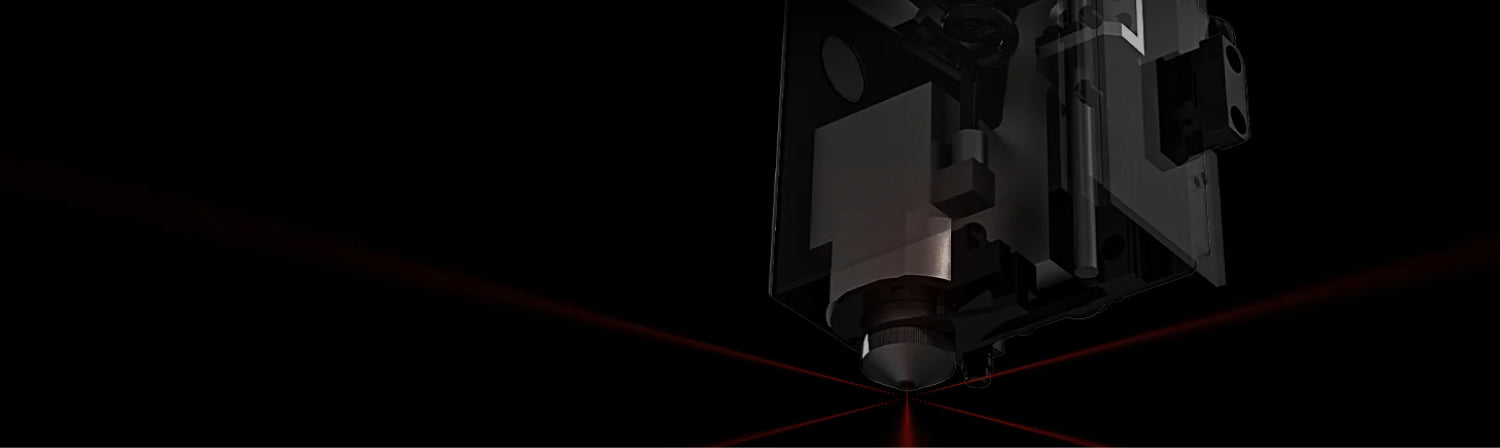
A laser air assist pump is a mechanical device that pushes a steady stream of air through a hose, into the laser head, and out through the nozzle. This air stream is perfectly aligned with your laser beam, hitting the material at the exact point of contact.
Think of it this way:
- The Laser provides the raw heat and energy to melt or vaporize material.
- The Airflow manages the environment, clearing the path so the laser can do its job without interference.

Without an air assist pump for laser cutter setups, smoke and debris stay trapped in the cut path. This blocks the beam, creates a "cloud" that scatters light, and leaves your projects looking messy and scorched.

2. What Does Air Assist Do for Laser Performance?
Understanding the "why" behind air assist helps you troubleshoot common issues in your workshop. Here are the four primary functions of an air assist pump for laser engraver units:
a. Protects the Optical Lens
As the laser vaporizes wood, plastic, or leather, it creates smoke and resin. Without air blowing downward, these particles rise and bake onto your focal lens. This leads to reduced power and can eventually crack the lens due to heat buildup.
b. Clears the Cut Path
When cutting thick materials, molten residue can clog the "kerf" (the width of the cut). The air assist acts like a microscopic broom, blowing out the debris so the laser beam can reach deeper into the material.
c. Eliminates Burning and Charring
Heat accumulation is the enemy of a clean finish. By constantly moving air across the surface, the pump removes combustible gases and cools the surrounding area, resulting in those sought-after "white" edges on wood.

d. Suppression of Fire Risks
Makers often work with flammable materials like acrylic or plywood. A steady stream of air helps blow out small sparks or "flame-ups" before they turn into a dangerous fire inside your machine.
3. Airflow vs. Air Pressure: The Most Misunderstood Concept
Many beginners search for a high-pressure air pump for laser machines, thinking "PSI" (pounds per square inch) is the most important metric. In the laser world, Airflow (L/min) is king.
- Airflow (L/min): The volume of air moving through the system. This clears smoke.
- Air Pressure (PSI): The force of the air. High pressure without volume creates turbulence that can actually ruin fine engravings.
4. How Much Airflow for Laser Cutter Air Assist Do You Actually Need?
The "perfect" airflow depends entirely on your project. Using the same setting for everything is a common mistake that leads to poor results.
a. Engraving: The "Less is More" Approach
Recommended: 5–15 L/min
When engraving, you only need enough air to keep the lens clean and push smoke away from the beam. If the airflow is too high, it can blow fine dust back onto the surface, creating "ghosting" or blurry details.
b. Light Cutting: The Balanced Zone
Recommended: 15–30 L/min
For materials like 3mm plywood, leather, or cardstock, moderate airflow helps keep the edges clean without blowing the lightweight material around the bed.
c. Heavy Cutting: The High-Power Requirement
Recommended: 30–60+ L/min
For 6mm wood or thick acrylic, you need significant volume. This high-flow laser cutting air pump setting ensures that the molten material is forced out of the bottom of the cut, preventing it from re-welding or charring.

d. Industrial Usage
Recommended: 60–150+ L/min
Professional CO2 or fiber systems often use large air compressors with tanks to maintain massive, steady airflow for 24/7 production.
Quick Reference: Airflow Recommendations Table
|
Application |
Recommended Airflow (L/min) |
Goal |
|
Fine Engraving |
5 – 15 |
Protect lens, keep details sharp |
|
Thin Cutting (<3mm) |
15 – 30 |
Reduce charring, clear smoke |
|
Thick Cutting (>5mm) |
30 – 60 |
Clear molten debris, deep penetration |
|
Industrial / High Power |
60 – 150+ |
Continuous cooling, maximum speed |
5. What Size Air Pump to Use for Air Assist?
Matching your air pump size for laser engraver capacity to your machine's wattage is critical for efficiency and equipment longevity.
a. Small Desktop/Diode Lasers (5W - 40W)
Most diode lasers come with a small electromagnetic diaphragm pump. These typically output 10–25 L/min. They are quiet and perfect for hobbyist engraving and light hobby wood cutting.
b. Mid-Power CO2 Lasers (50W - 100W)
If you are running a small business, you need a more robust air pump for CO2 laser work. Look for industrial-style "piston" air pumps that provide 30–60 L/min. These are built for longer run times and provide the volume needed for consistent 6mm wood cutting.
c. High-Power & Production Machines (100W+)
For heavy-duty cutting, an oil-free air compressor with a storage tank is the best choice. This setup allows you to regulate pressure precisely and provides a massive volume of air (up to 100+ L/min) for cutting 10mm+ materials.
6. Common Mistakes Beginners Make with Laser Air Pumps
- Ignoring the Nozzle: Even the best air assist pump for laser will fail if your nozzle is clogged with sap or soot. Clean it weekly.
- The "Always On" Trap: Using high-flow air while engraving delicate photos will often result in a "muddy" or dark finish. Always turn your air down for high-detail engraving.
- Forgetting Moisture: Air pumps compress air, which creates moisture. If water gets into your air lines, it can spray onto your lens and shatter it instantly. Use a moisture trap or air filter.
- Focusing Only on Power: A 100W laser with no air assist will often cut worse than a 50W laser with a perfect air assist setup.

7. Practical Tips for Achieving Professional Results
- Use an Automatic Switch: Many modern controllers (like Ruida) allow you to use a relay to turn the pump on and off automatically with your file. This saves electricity and reduces noise.
- Add a Flow Meter: If your pump doesn't have a gauge, adding an inexpensive rotameter (flow meter) allows you to dial in the exact L/min for specific materials, ensuring repeatability.
- Upgrade the Tubing: Many stock machines use thin, 4mm silicone tubing. Upgrading to 6mm or 8mm polyurethane (PU) tubing reduces friction and allows more air to reach the nozzle.
- Position the Nozzle Correctly: Ensure your nozzle is as close to the material as safety allows (usually 3–5mm). The further away the nozzle is, the more the air stream "blooms" and loses its effectiveness.
8. FAQs
What does air assist do for laser?
It blows away smoke and debris to protect the lens, prevents flames, and cools the material to stop burning. It is essential for clean cuts.
What size air pump to use for air assist?
For hobbyists, 20–30 L/min is standard. For professional cutting, aim for 60 L/min or a regulated air compressor.
How much airflow for laser cutter air assist?
Engraving needs 5–15 L/min, while heavy cutting requires 30–60 L/min or more to clear the cut path effectively.
What air pump do I need for a laser engraver and cutter?
Look for an "oil-free" diaphragm or piston pump. It should be rated for continuous duty and provide at least 30 L/min for versatile use.
Have Questions? Contact Us Now!
Conclusion:
A laser air assist pump is far more than a simple accessory; it is a fundamental component of a high-performance laser system. By choosing the correct air assist airflow requirements for your specific materials, you reduce waste, save money on replacement lenses, and produce products that look professional right off the machine bed.
If you are currently struggling with messy edges or frequent maintenance, look at your pump before you consider upgrading your laser tube. The right airflow can transform your results overnight.