 Liquid error (sections/image-banner line 171): invalid url input
One of the most popular DIY projects for tabletop gamers, makers, and Etsy sellers is a laser-cut dice tower. And for good reason. Dice towers make the game more fair, look great on the table, and are easy to personalize with names, themes, and art.
This guide will show you how to make a laser-cut dice tower out of wood. The steps are easy enough for beginners and small businesses to follow. We'll talk about the materials, laser settings, tips for putting things together, and even how to make money off of dice towers.
This tutorial will show you how to do everything, whether you're making something for fun or to sell.
Key Takeaway
- Laser-cut dice towers are beginner-friendly projects that combine fast production, low material cost, and strong demand from tabletop gamers.
- 3mm plywood + clean laser settings deliver durable, great-looking towers with consistent results.
- Laser engraving adds value, allowing customization with names, symbols, and themes that customers love.
- Production is efficient, one dice tower can be engraved, cut, and assembled in under 30 minutes.
- Highly profitable potential for Etsy and online shops due to high perceived value and gift appeal.
- Perfect starter product for anyone entering laser crafting or small-scale maker businesses.
1. Why Build a Laser Cut Dice Tower?
Before jumping into the build, it’s worth understanding why DIY wooden dice towers are so popular:
- They ensure fair dice rolls by controlling randomness
- They reduce table clutter during board games and D&D sessions
- They’re highly customizable with engravings and themes
- They’re fast to produce with a laser cutter
- They sell well as gifts and tabletop accessories
Laser cutting makes it possible to get clean edges, repeatable accuracy, and fine engraved details, which is hard to do with hand tools or 3D printing.

2. Materials & Tools You’ll Need
To make a DIY laser cut dice tower, gather the following:
- 3mm plywood sheet (birch or basswood recommended)
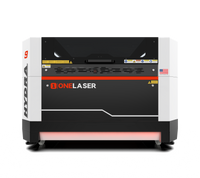
- OneLaser Hydra 9
- LightBurn software
- Dice tower laser cut file (SVG, DXF, or AI)
- Wood glue (fast-drying preferred)
Why 3mm plywood?
It’s lightweight, affordable, easy to cut, and strong enough for tabletop use. It also engraves beautifully.
3. Step-by-Step: How to Make a Laser Cut Dice Tower
How to Make a DIY Laser Cut Dice Tower
Step 1: Load the Plywood into the Laser
Place your 3mm plywood sheet flat onto the workbed of the OneLaser Hydra 9.
Make sure:
- The sheet is flat with no warping
- The corners are secured if needed
- There’s no debris underneath the wood
A flat surface is critical for consistent focus, especially when engraving fine details like dice images or text.
Step 2: Import the Dice Tower File into LightBurn
Open LightBurn software and import your dice tower laser cut file.
At this stage:
- Confirm the design is scaled correctly
- Group components logically (walls, tray, ramps)
- Separate engraving layers from cutting layers
- Check orientation to maximize wood grain aesthetics
If your design includes wood grain textures, roof tiles, dice icons, or engraved text, make sure those elements are assigned to an engraving layer.
Step 3: Laser Cutting and Engraving Process
Before starting, always:
✔ Set Up Auto Focus
Use the auto-focus function on the Hydra 9 touchscreen to ensure perfect focal distance. This improves:
- Engraving clarity
- Cutting depth consistency
- Edge sharpness
Skipping autofocus is one of the most common beginner mistakes.

a. Laser Engraving Settings
(Wood grain, roof tiles, dice images, “Game Start” text)
Recommended settings:
- Speed: 700 mm/s
- Max Power: 30%
- Min Power: 10%

These settings create:
- Clean contrast without charring
- Clear engraved details
- Natural shading that enhances wood texture

b. Laser Cutting Settings
(Dice tray, tower walls, ramps, slides)
Recommended settings:
- Speed: 10 mm/s
- Max Power: 85%
- Min Power: 85%

These parameters ensure:
- Full cut-through in a single pass
- Minimal edge burn
- Tight-fitting joints
After cutting, check that parts fall out cleanly without force. If they don’t, slightly reduce speed or increase power.

Step 4: Clean, Assemble, and Glue
Once all pieces are cut:
Cleaning
- Lightly sand edges if needed
- Remove residue with a dry cloth
- Avoid water at this stage to prevent warping
Assembly Order
- Dry-fit all parts first (no glue)
- Assemble the internal ramps and slides
- Attach tower walls
- Add the dice tray
- Glue final structural joints

Use wood glue sparingly, too much glue can seep into engraved areas and dull details.
Allow the tower to dry fully before use or finishing.
Optional Finishing Ideas
- Natural oil for a rustic look
- Acrylic paint for fantasy themes
- Dark stain + light sanding for contrast
- Clear coat for durability
Finishing is optional but can significantly increase perceived value if you plan to sell.

4. FAQs
How Long Does It Take to Make One Dice Tower?
On average:
- Laser time: 10–15 minutes
- Assembly: 10–20 minutes
- Finishing: Optional, 15–30 minutes
That means you can comfortably produce multiple dice towers per hour, making this a great project for batch production.
Is Making and Selling DIY Dice Towers Profitable?
Yes, laser cut dice towers are profitable when done right.
Key reasons:
- Low material cost
- Fast production time
- High perceived value
- Strong demand in tabletop gaming communities
Most sellers price dice towers between $25 and $80, depending on size, design complexity, and customization.

Can I Sell Laser Cut Dice Towers on Etsy?
Absolutely. Etsy is one of the best platforms for:
- Handmade tabletop accessories
- Laser-cut wood products
- Personalized gaming gifts
Dice towers perform especially well when:
- Offered in multiple themes
- Personalized with names or factions
- Paired with strong photography
What Designs Sell Best?
Top-performing dice tower styles include:
- Fantasy / medieval
- Dungeons & dragons themes
- Minimalist geometric designs
- Personalized name engravings
- Faction or class-based symbols
Custom engraving almost always increases order value.
Are Laser-Cut Dice Towers Better Than 3D-Printed Ones?
In many cases, yes.
Laser-cut wooden dice towers:
- Look more premium
- Are quieter during gameplay
- Feel more durable
- Are faster to produce at scale
3D printing works well for complex shapes, but laser cutting excels at speed, finish quality, and batch consistency.
Is a Laser Cutter Required to Make Dice Towers?
For consistent quality and efficient production—yes.
While hand tools can work, laser cutting provides:
- Perfect repeatability
- Tight tolerances
- Clean engravings
- Scalable production
This is especially important if you plan to sell.
Can Beginners Make and Sell Dice Towers?
Definitely.
Dice towers are one of the best beginner laser projects because:
- The designs are forgiving
- The assembly is straightforward
- The demand is proven
- Customization is easy
Many successful sellers started with dice towers as their first product.
Are Dice Towers Popular Gifts?
Yes, especially for:
- D&D players
- Board game enthusiasts
- RPG groups
- Holidays and birthdays
They’re functional, decorative, and personal—three qualities that make great gifts.
How to Differentiate Your Dice Tower Brand on Etsy
To stand out:
- Develop a recognizable style
- Offer customization
- Create themed collections
- Focus on clean engraving quality
- Show the dice roll in product photos
Consistency and craftsmanship matter more than quantity.
Final Thoughts
A laser-cut dice tower is not only a fun DIY project, but it's also a useful product that people want to buy. You can make dice towers that players love and are proud to show off if you use the right materials, keep things clean, and plan ahead.
This project is a great place to start if you want to build one for your next game night or start a small tabletop brand.
If you need help with designs, prices, or batch workflows, just let me know. I'm happy to help you move forward.