 Liquid error (sections/image-banner line 171): invalid url input
As personalization, crafting, and custom manufacturing grow, more creators and businesses are asking themselves an important question: Is traditional engraving still the best choice, or is laser engraving the new standard?
There are pros and cons to each method, but they are very different when it comes to accuracy, speed, cost, workflow, materials, and long-term scalability.
Key Takeaway
In this full guide, we'll compare traditional engraving and laser engraving, explain how each one works, list their pros and cons, and help you choose which one is best for you. This comparison will help you see things clearly, whether you're a hobbyist, a professional engraver, or a small business owner.
1. What Is Traditional Engraving?
Traditional engraving, which is also called hand engraving or mechanical engraving, is a method that has been used for hundreds of years. It involves cutting or carving designs directly into a material with physical force. This method doesn't use heat or light; instead, it uses sharp tools or rotating bits to cut away material and make lines, textures, and patterns.
Traditionally, engraving has been used for jewelry, guns, trophies, signs, fine metalwork, and art pieces where skill and tactile depth are important. Because the process requires direct contact with the surface, each engraved piece has small differences that show the skill and style of the engraver.

People often choose traditional engraving for projects that value heritage, hand-crafted looks, and deep physical cuts more than speed or automation.
How Traditional Engraving Works
Depending on the technique and application, traditional engraving typically falls into three main categories:
| Engraving Method | How It Works | Tools Used | Typical Applications | Key Characteristics |
|---|---|---|---|---|
| Hand Engraving | Designs are carved manually into the surface using controlled hand pressure | Gravers, chisels, burins | Jewelry, firearms, fine metal art, custom awards | Deep cuts, highly artistic, unique results, very labor-intensive |
| Rotary / Mechanical Engraving | A motorized spindle rotates a cutting bit to physically remove material | Rotary engraver, carbide or diamond bits | Nameplates, signage, industrial tags, trophies | Consistent depth, faster than hand engraving, limited fine detail |
| Chemical Etching (Traditional Etching) | Acids or chemicals erode exposed areas after masking the design | Chemical solutions, resists, masks | Decorative metal plates, logos, signage | Shallow marks, less tactile depth, not true cutting |
No matter the method, all traditional engraving relies on physical contact, meaning the tool touches and cuts the material.

The Pros and Cons of Traditional Engraving
Main strengths:
- Engraving that is deep and tactile, with a handmade feel
- Great for classic designs, metal jewelry, guns, and awards
- A strong sense of art and being different
Common problems:
- Slower speed of production
- More expensive labor for detailed work
- Limited ability to repeat for big batches
- More likely to damage fragile things
These traits show why traditional engraving is still respected and useful today, and they also show why modern methods like laser engraving have come about for speed, accuracy, and scalability.
2. What Is Laser Engraving?
Laser engraving is a new way to make things and personalize them. It uses a high-energy, computer-controlled laser beam to change the surface of a material permanently without touching it.
The laser doesn't cut with tools or blades; instead, it sends concentrated heat that vaporizes or ablates the top layer, making engravings that are very precise, clean, and repeatable.

Laser engraving is perfect for both delicate items and high-volume production because the tool and the material don't touch each other, which prevents tool wear and lowers the risk of mechanical damage.
Laser engraving is different from traditional engraving because it is digitally driven. This means that designs can be made, changed, and repeated exactly the same way on thousands of pieces.
How Laser Engraving Works
Laser engraving systems use a laser beam to focus on a small area on the surface of a material. Depending on the material and the type of laser, the intense heat can cause controlled material removal, discoloration, or surface transformation.
The process is managed through software, which controls:
- Engraving depth and line thickness
- Speed and power output
- Design accuracy and repeatability
This allows complex logos, micro-text, gradients, and intricate patterns to be engraved with exceptional precision.
Key Advantages of Laser Engraving
Compared to traditional methods, laser engraving offers several practical benefits:
- No physical tools required: Laser engraving uses no blades, bits, or ink, reducing wear, maintenance, and consumable costs.
- Exceptional consistency and precision: Digital control ensures identical results from the first piece to the 1,000th or beyond.
- High-speed production: Laser systems operate at significantly higher speeds than manual or mechanical engraving.
- Flexible workflows: The same machine can handle engraving, marking, and cutting with minimal setup changes.
- Broad material compatibility: Laser engraving works across wood, acrylic, leather, glass, coated metals, and many specialty materials.
Types of Lasers Used in Engraving
Modern laser engraving machines use different laser sources depending on material and application:
- Diode Lasers – Suitable for light engraving on wood, leather, and coated surfaces
- CO₂ Lasers – Commonly used for wood, acrylic, rubber, leather, glass, and non-metal materials
- RF-Excited CO₂ Lasers – Offer higher precision, faster response, and improved engraving quality for detailed work and production environments
Each laser type provides distinct advantages, making laser engraving highly adaptable to creative, commercial, and industrial needs.
Laser engraving has become the preferred choice for businesses and makers seeking speed, precision, scalability, and design flexibility, while still delivering durable, professional results.
3. Traditional Engraving vs Laser Engraving: The Complete Comparison
To decide which engraving method is right for your project, it’s important to compare accuracy, speed, materials, flexibility, and technology.
This section breaks down the real differences in a clear, practical way.
3.1 Accuracy, Detail, and Precision
Traditional Engraving
- Produces detailed results when done by skilled artisans
- Precision depends heavily on experience and hand control
- Micro-text, fine logos, and ultra-thin lines are difficult to reproduce consistently

Laser Engraving
- Produces high-resolution detail far beyond what most hand or rotary tools can achieve.
- Computer-controlled for standard and precision laser engraving
- Easily engraves:
- Micro text
- Intricate patterns
- Photorealistic images
- Perfectly repeatable designs
- Clean, crisp edges with minimal finishing required.

For absolute precision and reproducibility, laser engraving wins by a wide margin. The stability of the laser beam and the computer-controlled system deliver flawless detail every time.
3.2 Speed, Workflow, and Express Engraving
Traditional Engraving
- Time-consuming process, especially for hand engraving.
- Production time varies significantly depending on skill level.
- Not ideal for large orders or fast turnaround.
Laser Engraving
- Works at extremely high speeds, often completing jobs in seconds.
- Can cut, engrave, and mark materials in one workflow.
- Perfect for mass production, personalization shops, and growing businesses.
Laser machines dramatically increase productivity while maintaining consistent quality.
3.3 Material Compatibility
Traditional Engraving
Best suited for:
- Metal (brass, silver, gold, steel)
- Wood
- Jewelry and collectibles
Limitations:
- Harder materials require more skill and specialized tools.
- Some materials cannot be engraved safely using mechanical force.
Laser Engraving
Compatible with a vast range of materials:
- Wood
- Acrylic
- Leather
- Fabric
- Rubber
- Glass (surface marking)
- Stone
- Metal (with certain laser types or marking sprays)
- Paper and cardboard
- Specialty materials (veneers, composites, etc.)
Laser Engraving & Cutting Chart
Modern CO₂ and RF laser engravers can engrave and cut shapes without physical contact. They also allow you to dial in settings for different materials with extreme accuracy.

The versatility and consistency across dozens of materials make laser engraving the superior choice.
3.4 Design Flexibility and Customization
Traditional Engraving
- Excellent for artistic, one-of-a-kind work
- Custom initials and patterns require manual redesign each time
- Limited depth control for complex effects
Laser Engraving
- Easily handles initials, logos, serial numbers, and patterns
- Supports 2D and 3D laser engraving
- Enables color laser engraving on certain metals and coatings
- Digital files allow instant design changes and personalization
Laser engraving provides unmatched flexibility for modern customization and creative design.
3.5 Equipment and Technology Differences
Traditional Engraving Equipment
- Hand tools or rotary engraving machines
- Manual alignment and setup
- Physical contact with the material
Laser Engraving Technology
- Rotary vs non-rotary laser engravers for flat or cylindrical items
- Vision engraving systems for camera-assisted alignment and accuracy
- Clear distinction between:
- Laser engraving (material removal)
- Laser etching (surface change)
- Laser cutting (full cut-through)
Laser engraving systems offer smarter automation, higher accuracy, and more application options.
3.6 Safety
Traditional Engraving
Risks include:
- Sharp tools and cutting bits
- High-force contact with materials
- Flying debris
- Vibration and hand fatigue
- Mechanical entanglement in rotary tools
Laser Engraving
Laser systems have:
- No mechanical cutting tools
- Enclosed work areas (Class 1 systems)
- Built-in exhaust systems to remove fumes
- Automated features that reduce human error
Because there are no moving mechanical parts touching the operator, laser engravers offer a significantly safer working environment, when proper ventilation and safety protocols are followed.
3.7 Maintenance and Operating Costs
Traditional Engraving
Requires:
- Regular blade sharpening
- Tool replacement
- Physical effort and ongoing skill training
- Slower workflow leading to higher labor cost
- Wear-and-tear on moving parts
Costs accumulate over time.
Laser Engraving
Laser machines require:
- Occasional lens and mirror cleaning
- Proper airflow and ventilation
- Tube replacement only after years of use (RF lasts up to 30,000+ hrs)
- Very few consumables
- Minimal manual labor
Laser engravers provide predictable maintenance schedules and dramatically lower long-term operating costs.
Much lower consumable cost, less maintenance, and higher uptime make laser engraving ideal for businesses.
3.8 Environmental Impact
Traditional Engraving
- Physical tools generate debris.
- Some materials require chemical etching (hazardous).
- Dust can spread easily into the environment.
Laser Engraving
- No blades or toxic solvents.
- No ink or printing cartridges.
- Dust and smoke captured by exhaust systems and filters.
- Clean process with minimal waste.
Most modern laser systems, including OneLaser machines, include built-in fume extraction or can be paired with advanced filters.
3.9 Learning Curve
Traditional Engraving
- Requires significant training and experience.
- Skilled engravers spend years refining technique.
- Mistakes cannot be easily corrected.
Laser Engraving
- User-friendly laser engraving software like LightBurn makes it easy to design and run jobs.
- Simple workflows: import → set parameters → engrave.
- Beginners can achieve professional results quickly.
- Consistency reduces the chance of damaging materials.
Perfect for beginners, hobbyists, and teams.

Summary: Traditional Engraving vs Laser Engraving
|
Feature |
Traditional Engraving |
Laser Engraving |
|
Precision |
High (skilled labor required) |
Extremely high, consistent |
|
Speed |
Slow to moderate |
Fast, ideal for production |
|
Materials |
Limited |
Wide range |
|
Maintenance |
Frequent |
Minimal |
|
Safety |
Lower |
Higher |
|
Learning Curve |
Difficult |
Beginner-friendly |
|
Cost Over Time |
High |
Low |
|
Reproducibility |
Low |
Perfect consistency |
Final verdict: Laser engraving is the superior choice for most modern applications, especially for businesses and creators who need speed, precision, and versatility.
Traditional engraving still shines in artistic and high-end hand craftsmanship, but for everyday production, personalization, signage, and manufacturing, laser engraving has completely transformed the industry.
4. Use-Case Comparisons: When Each Method Makes Sense
Both traditional and laser engraving deliver permanent results, but each works best for specific applications.
4.1 Jewelry and Small Personal Items
a. Rings, Initials, and Belt Buckles
Traditional engraving is often chosen for fine jewelry and heirloom pieces where a handcrafted feel and deep cuts are desired. Skilled hand engravers can add artistic character that appeals to high-end or sentimental projects.
Laser engraving, on the other hand, is ideal for initials, names, dates, serial numbers, and repeat designs. It ensures consistent depth and spacing, making it well-suited for personalization at scale.

b. Hand Engraving vs Laser Engraving on Jewelry
- Hand engraving offers artistic uniqueness and depth
- Laser engraving delivers precision, repeatability, and clean finishes
- Laser methods reduce the risk of tool slips on small or delicate pieces

c. Fountain Pens and Fine Accessories
For fountain pens, watches, and small accessories, laser engraving is the most popular choice because it can make clean logos and micro-text without putting any pressure on the surface.
4.2 Wood and Decorative Products
Wooden Jewelry: Traditional engraving can add a rustic, handcrafted look to wooden jewelry, but results vary by skill level. Laser engraving provides consistent shading, fine line work, and detailed patterns without splintering.
Bookmarks: Laser engraving is the preferred choice for bookmarks, especially for intricate designs, text, and high-volume personalization. Traditional engraving is rarely used due to its slower speed and limited consistency.

Signs and Plaques: For decorative signs and plaques, laser engraving offers faster production, precise lettering, and compatibility with many wood types and finishes. Traditional engraving may still be used for specialty, hand-carved signage.

4.3 Industrial, Memorial, and Specialty Items
Metal Signs vs Other Materials: Traditional engraving works well on thick metal signs where deep, durable cuts are required. Laser engraving is better suited for fine text, logos, and serial information, especially on coated or thin metals.

Coins and Medallions: Laser engraving allows for consistent detail across multiple pieces, making it ideal for custom coins, medallions, and commemorative items. Traditional engraving is typically reserved for one-off artistic designs.
Urns and Memorial Engraving: Laser engraving is commonly used for memorial items due to its precision, permanence, and ability to engrave complex text and symbols without damaging the material.
Musical Instruments (e.g., Trombone): Laser engraving is preferred for marking names, logos, or decorative elements on instruments, as it minimizes heat and avoids mechanical stress on delicate surfaces.
Gun Stocks (Safety & Compliance Note): Traditional hand engraving is still valued for decorative firearm engraving. Laser engraving may be used for markings or personalization, but local laws, safety standards, and material considerations must always be followed.
| Application | Best Choice |
|---|---|
| Fine jewelry & heirloom pieces | Traditional engraving |
| Personalized jewelry & accessories | Laser engraving |
| Wooden products & décor | Laser engraving |
| Bookmarks & small gifts | Laser engraving |
| Industrial tags & signage | Laser engraving |
| Memorial items | Laser engraving |
| Artistic firearm engraving | Traditional engraving |
5. How to Choose the Right Engraving Method or Service
a. Before ordering custom engraving, consider these key factors:
- Material – Some materials (wood, acrylic, coated metals) are better suited for laser engraving, while thick metals and heirloom pieces may benefit from traditional engraving.
- Detail & Design – Fine text, logos, and complex designs favor laser engraving. Artistic, deep-cut designs may suit hand engraving.
- Turnaround Time – Laser engraving is ideal for fast or express orders. Traditional engraving requires more time.
- Budget – Laser engraving generally costs less for repeat or bulk orders. Traditional engraving is more labor-intensive and priced higher.
- Durability – Both methods are permanent, but deep hand engraving may last longer on heavily worn items.
b. Specialty vs Regular Engraving Services
Regular engraving services handle standard personalization and production work efficiently.
Specialty engraving services focus on artistic, high-end, or legally regulated items (such as firearms or memorial pieces).
c. When Traditional Engraving Makes Sense
Traditional engraving is still the better choice for heirloom jewelry, artistic craftsmanship, and projects where handcrafted depth and uniqueness matter most.
6. A Modern Upgrade from Traditional Engraving
If you're considering upgrading from traditional methods, OneLaser offers some of the most advanced CO₂ and RF laser systems designed for modern creators, small businesses, and professional workshops.
Why OneLaser Stands Out
- RF Tube Options for unmatched speed, precision, and 30,000+ hour lifespan
- High-speed DSP motion control for clean, detailed engraving
- Industrial-grade cutting performance
- User-friendly interface and LightBurn compatibility
- Strong U.S.-based support team and engineers
- Financing options (Shop Pay, Affirm, ClickLease, OneLaser Business Financing) making professional equipment accessible

Whether you're upgrading from traditional engraving or stepping into laser technology for the first time, OneLaser machines provide:
- Cleaner results
- Faster turnaround
- Lower operating costs
- Professional-quality output from day one
Laser Engraving Is the Future of Customization
Traditional engraving will always hold a place in artisan craftsmanship, but laser engraving is now the dominant technology for businesses, makers, and creators seeking:
- Precision
- Speed
- Flexibility
- Scalability
- Clean, consistent outcomes
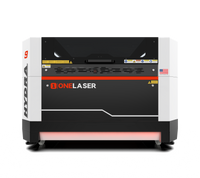
With powerful, reliable equipment like OneLaser’s X Series and Hydra Series, upgrading from traditional engraving to laser engraving is one of the smartest investments you can make.
FAQs
Q: What are the two types of engraving?
A: The two primary types are traditional engraving (hand engraving or mechanical engraving using physical tools) and laser engraving, which uses a focused laser beam to remove material without physical contact.
Q: Is laser engraving better than hand engraving?
A: For most modern applications, speed, precision, consistency, and production, laser engraving is better. However, hand engraving is still valued for artistic craftsmanship and unique, one-of-a-kind detailing.
Q: What is the best method of engraving?
A: For business use, high-volume work, and precise detail, laser engraving is the best method. It offers cleaner edges, faster output, and consistent results. Traditional engraving is best for fine art, jewelry, and heirloom craftsmanship.
Q: Can a beginner use a laser engraver?
A: Yes. Modern laser engravers, especially systems designed for creators like OneLaser machines, are beginner-friendly, easy to learn, and work seamlessly with design software like LightBurn. Beginners can achieve professional results quickly.
Q. How does laser engraving differ from traditional engraving?
A. Laser engraving uses a computer-controlled laser beam to remove or mark material without physical contact, while traditional engraving relies on hand tools or mechanical cutting. Laser engraving is faster, more precise, and highly repeatable; traditional engraving offers a handcrafted look but is slower and skill-dependent.
Q. Is laser engraving better for detailed logos?
A. Yes. Laser engraving is better for detailed logos, fine lines, and micro-text because it delivers consistent accuracy and sharp edges that are difficult to achieve with manual methods.
Q. Can laser engraving work on wood, metal, and stone?
A. Yes. Laser engraving works on wood, many metals (engraving or marking depending on laser type), stone, glass, acrylic, leather, and more, making it one of the most versatile engraving methods available.
Q. What’s the difference between laser engraving and laser etching?
A. Laser engraving removes material to create depth.
- Laser etching alters the surface through heat, discoloration, or oxidation without significant material removal.
- Engraving produces deeper, more tactile marks; etching is usually shallower.
Q. Is color laser engraving permanent?
A. Color laser engraving is permanent on suitable materials, but the durability depends on the material, coating, and exposure conditions. It is not paint-based and does not peel, though extreme wear may affect appearance over time.
Q. Can delicate items like jewelry or pens be laser engraved?
A. Yes. Laser engraving is ideal for delicate items such as jewelry, fountain pens, watches, and accessories because it is a non-contact process that minimizes mechanical stress and risk of damage.